For most industries in India, scrap is still treated as a byproduct, something to dispose of quickly rather than manage strategically. Yet scrap holds real monetary value. Across manufacturing, FMCG, pharma, infrastructure, and warehousing, companies lose a significant portion of that value every year, often without realizing it.
The loss rarely comes from scrap quality. It comes from how scrap is sold.
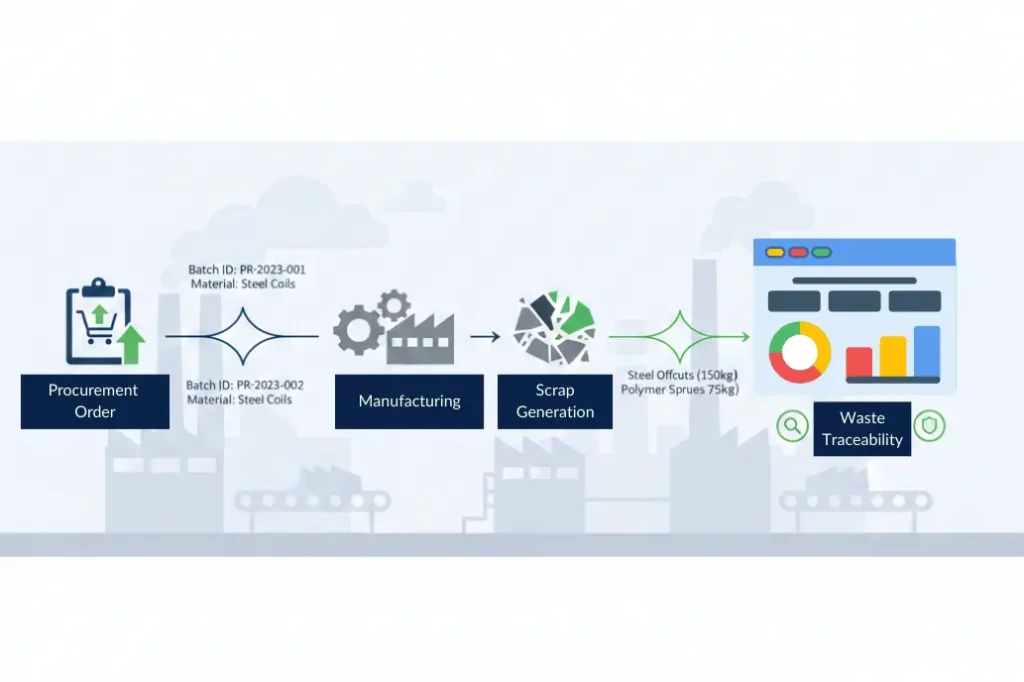
The first leak happens at visibility. When scrap is not logged properly for example no batch-wise records, no clear categorization, no consistent weighing,etc. Sellers negotiate blindly. A mixed pile of scrap almost always fetches less than segregated material. Without a digital scrap register, industries rely on estimates, and buyers price in uncertainty. That uncertainty becomes a direct value loss.
Another major factor is limited buyer exposure. Many plants depend on one or two local buyers or middlemen. This dependency quietly caps price realization. When only one buyer sees the scrap, there is no true price discovery. Industries often believe they are getting “market rates,” but in reality, they are accepting the only rate available to them.
Unorganized selling also slows everything down. Delayed pickups, inconsistent communication, and manual follow-ups result in scrap occupying valuable yard space longer than necessary. In large facilities, this leads to operational inefficiencies, safety risks, and hidden storage costs. All of which dilute scrap value further.
Compliance adds another layer of risk. As EPR obligations expand and audits become stricter, scrap without traceability becomes a liability. Missing movement records, lack of documentation, and informal handovers create gaps that cost money later, either in penalties, corrective actions, or lost business trust.
So how do industries fix this?
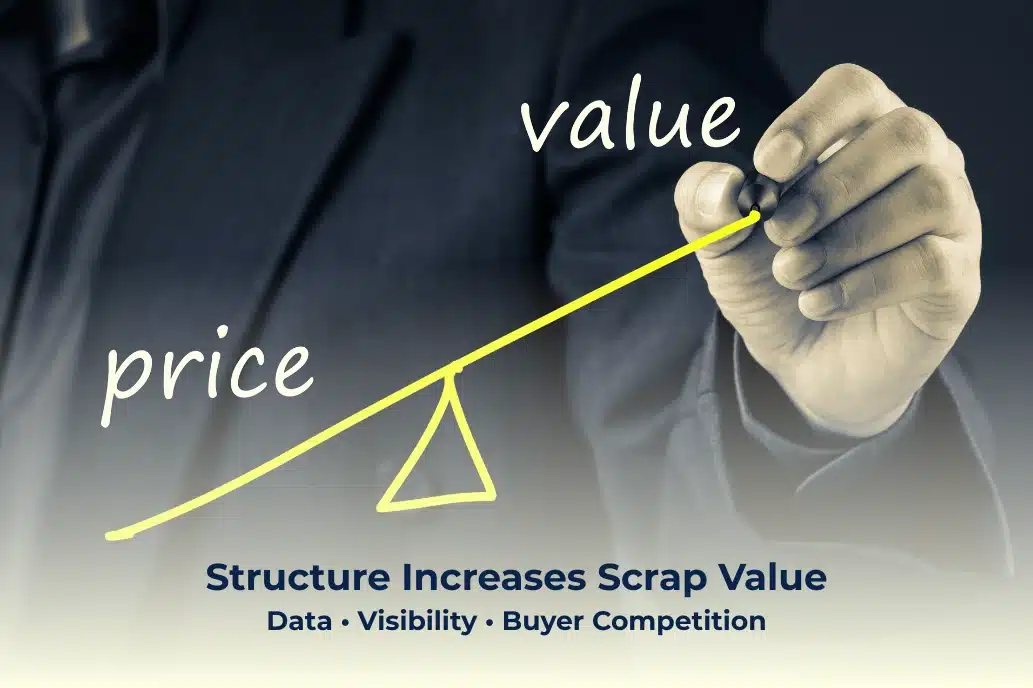
The starting point is structure, not negotiation. Value improves when scrap selling becomes a process, not an afterthought.
Digitally maintaining a scrap register changes everything. When scrap is logged by type, quantity, and batch, sellers gain clarity. Buyers respond differently when material details are transparent. Negotiations become factual, not speculative.
The next shift is moving away from dependency on local middlemen. Access to multiple verified buyers across regions improves price discovery. When buyers compete, value rises naturally. This is where online scrap selling platforms play a critical role. Listing scrap digitally allows industries to reach beyond their immediate geography without losing control.
Verified buyers matter. Selling to uncertified or unknown parties may seem convenient, but it introduces long-term risk. Vendor verification reduces disputes, improves payment reliability, and supports compliance needs. Searching for old scrap buyers near me should no longer mean choosing the nearest option, it should mean choosing the most reliable one.
Logistics transparency is equally important. Digital pickup scheduling, GPS movement tracking, and photo-based pickup proof reduce delays and disagreements. When scrap moves faster, cash cycles shorten. Faster closures directly improve realized value.
Analytics is where industries unlock long-term gains. By studying scrap generation trends and value recovery patterns, plants can identify:
- Which scrap categories deliver the highest returns
- Where segregation can improve pricing
- How operational changes impact waste value
Platforms like Scrapeco are designed around these exact gaps. Through free registration and a 90-day feature trial, industries can list scrap, access verified buyers, schedule pickups, track movement, and analyze performance; without lock-ins or hidden charges. The intent is simple: let sellers experience structured selling before any commercial commitment.
Globally, scrap markets are becoming more data-driven. India is now catching up. Industries that treat scrap as a managed resource rather than operational waste will consistently outperform those that don’t.
The question every plant head should ask is:
If scrap is generating revenue anyway, why not stop losing value while selling it?