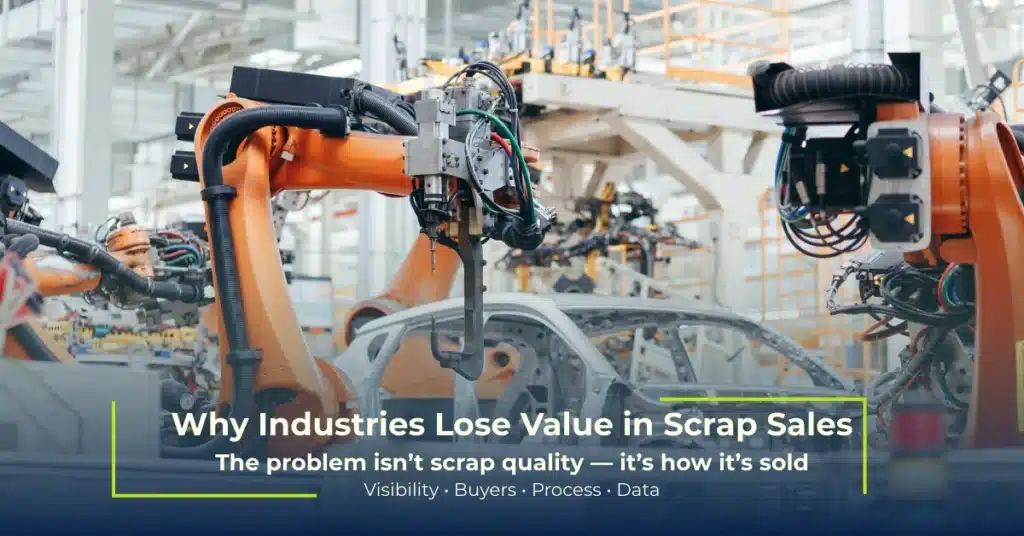
For decades, scrap trading has operated on fragmented information, informal pricing, and manual coordination. Deals were driven by personal networks, phone calls, and rough estimates. While the industry powered recycling and material recovery at scale, transparency remained its weakest link. Today, that reality is changing. Digital platforms are redefining how scrap sales happen, how pricing is discovered, and how sustainability is measured across the value chain.
The modern scrap market is no longer just about moving material from point A to point B. It is about data, traceability, compliance readiness, and verified counterparties. This shift is being driven by three forces converging at once: stricter environmental regulations, demand for circular supply chains, and the growing need for operational efficiency. There’s no room for disputes, leakages, pilferage, or data gaps.
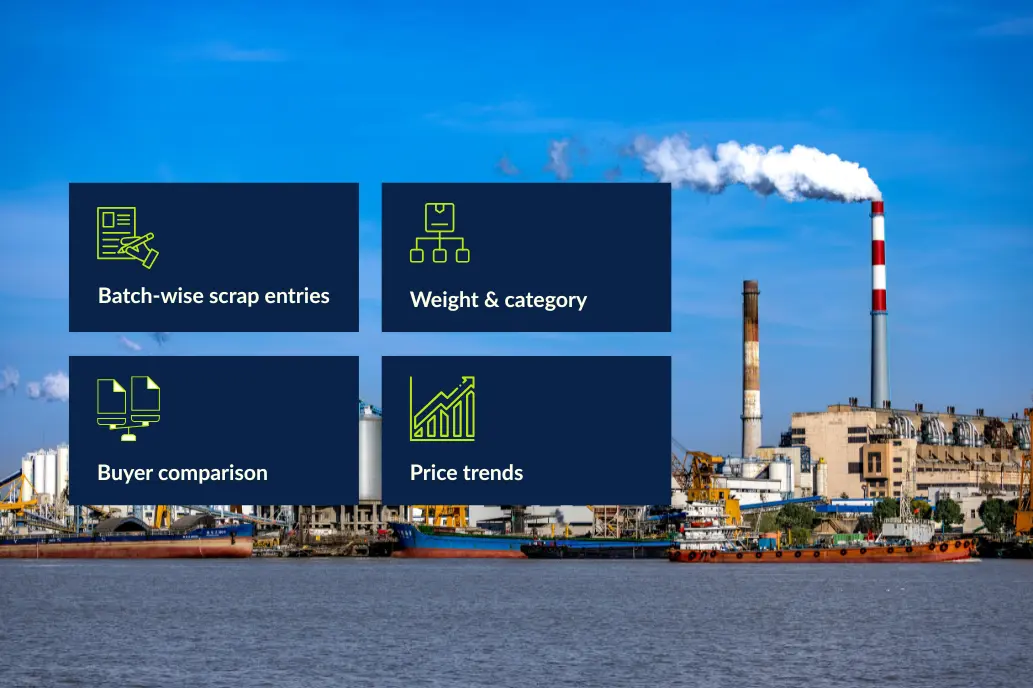
Digital scrap trading begins with something deceptively simple: a scrap register. When scrap is logged batch-wise, weighed accurately, categorized correctly, and recorded digitally, everything downstream improves. Pricing becomes more consistent. Inventory becomes visible. Losses become measurable. Platforms like Scrapeco are built around this foundational layer, enabling industries to move away from manual registers and disconnected spreadsheets.
Once scrap is digitized, pricing no longer relies solely on negotiation memory. Instead, analytics dashboards can show:
- Scrap generation trends over time
- Category-wise value realization
- Seasonal price fluctuations
- Performance differences between buyers

This is where scrap sales shift from reactive to strategic. Sellers understand when to sell, what to sell, and to whom. Buyers gain access to structured listings instead of fragmented leads. The concept of buy scrap online is no longer experimental; it is becoming operationally practical.
Digital marketplaces also address one of the most persistent challenges in scrap trading: trust. Informal markets often lack clarity on buyer credentials, recycler compliance, or material destination. Vendor verification changes that equation. When buyers and recyclers are vetted, certified, and digitally onboarded, risk drops significantly for sellers. Searching for old scrap buyers near me becomes a compliance-friendly decision, not a gamble.
Transparency does not stop at transactions. Movement tracking adds another layer of accountability. GPS-enabled tracking allows scrap generators to monitor pickup schedules, transport routes, and handover points. Photo-based pickup proof documents material condition and quantity at dispatch. These elements collectively build traceability, even before formal certificates enter the picture.
Sustainability enters the conversation when data starts telling a story beyond revenue. Industries can assess:
- How much scrap is diverted from landfills
- Which materials generate the highest recovery value
- Where inefficiencies exist in segregation or storage
- How procurement and production decisions influence waste output
Digital scrap trading platforms quietly support circularity by making waste measurable and traceable. Sustainability stops being an annual report exercise and becomes part of daily operations.
Globally, digitalization has already reshaped commodity trading in metals, plastics, and secondary raw materials. India’s scrap ecosystem is now catching up, driven by EPR obligations, ESG reporting, and procurement accountability. Scrap purchase decisions increasingly demand documentation, traceability, and data alignment.
Scrapeco’s digital portal reflects this shift by integrating scrap registers, online scrap buying and selling, verified vendors, movement tracking, analytics, and EPR-ready data management into a single workflow. The platform does not promise disruption for the sake of it. It enables clarity in an industry that has long operated without it.
The digital revolution in scrap trading is not about technology alone. It is about fair pricing, accountability, and the confidence to scale circular practices responsibly.
The question worth asking is simple:
If scrap is already a valuable resource, what is the cost of continuing to trade it without visibility?