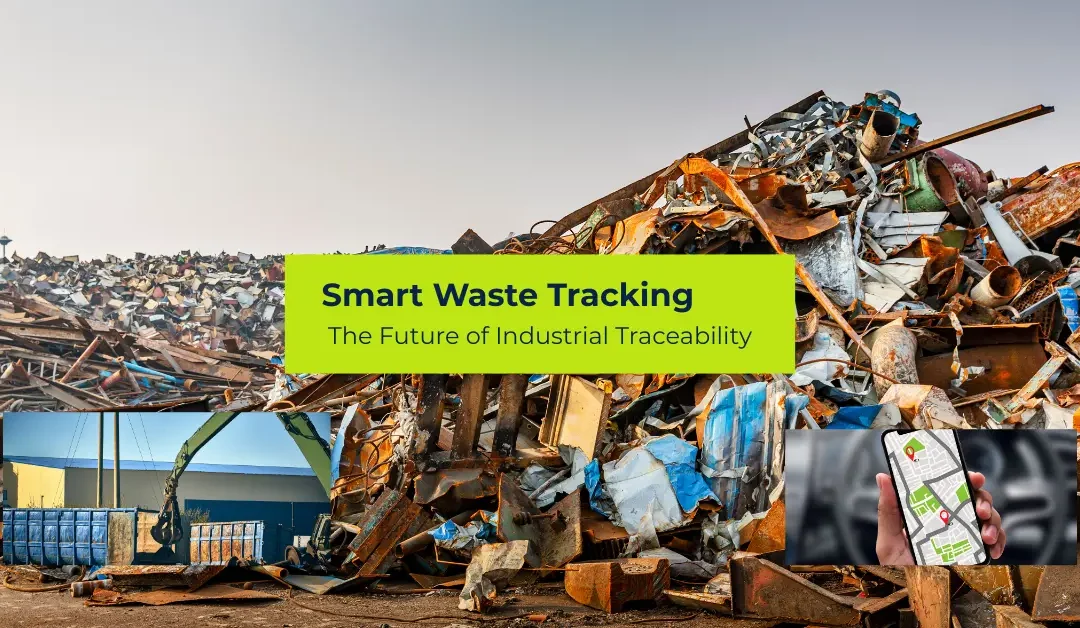
The future of industrial waste management revolves around one idea: trace everything. Not because regulators demand it, but because businesses finally understand the cost of not knowing. Smart waste tracking systems built on GPS movement logs, digital scrap registers,...
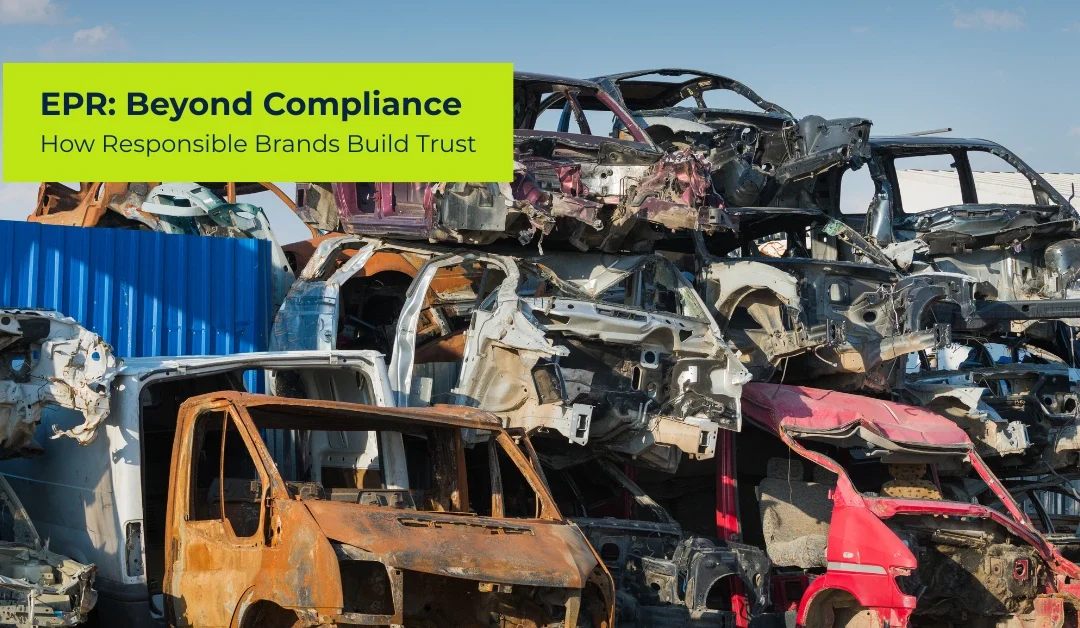
Most companies approach EPR as paperwork; quantities to be reported, recyclers to be empanelled, and deadlines to meet. But the companies winning long-term trust are the ones that see EPR as more than compliance. They see it as an opportunity to prove responsibility,...
For decades, scrap management in India was built on relationships, local networks, and phone calls. Prices varied by mood, availability, and negotiation skills rather than material quality or real demand. Buyers were hard to verify. Sellers relied on “the usual guy”....
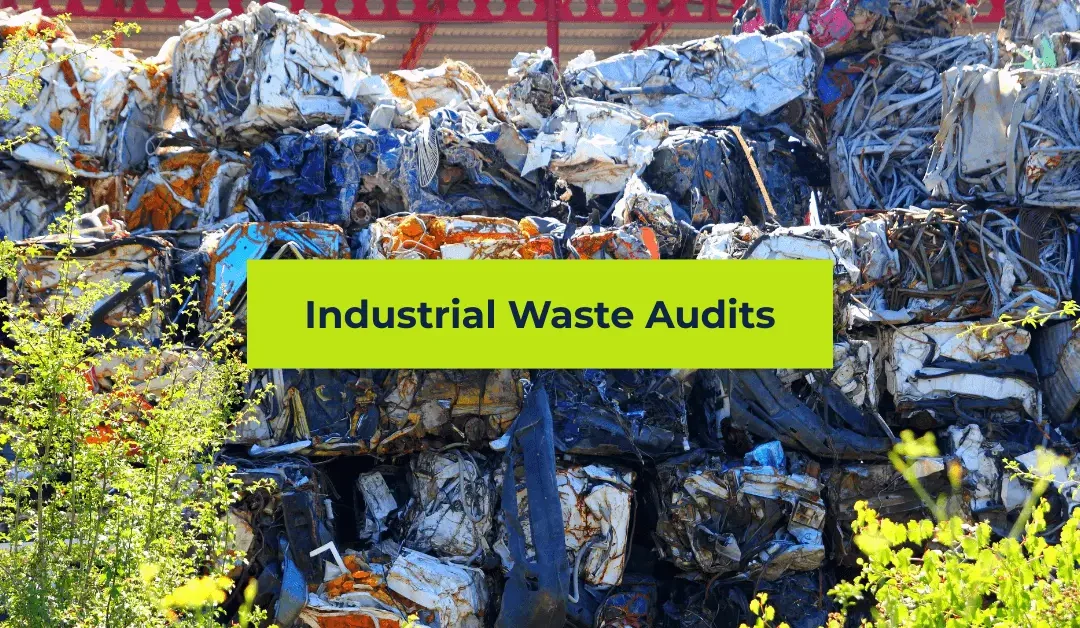
The industrial and regulatory landscape is changing at lightning speed. Global mandates—from Extended Producer Responsibility (EPR) to stringent ESG (Environmental, Social, and Governance) reporting—are moving the goalposts for every major company, especially...
Traceability used to be something only auditors cared about. Today, it’s the backbone of how modern waste management works, especially for India’s fast-growing scrap ecosystem. Manufacturers now demand full visibility of where their waste goes, who handles it,...